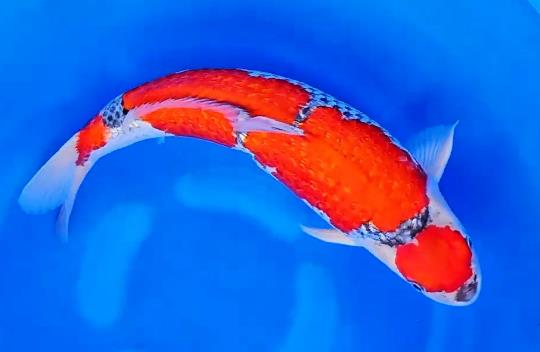
As omnivorous fish, koi can eat a variety of human foods. However, it is essential to pay attention to the type of food, preparation method, and feeding frequency to ensure their health. Below are the human foods suitable for koi and feeding recommendations:
I. Human Foods Suitable for Koi
Vegetables
Chinese cabbage: Rich in dietary fiber, it helps promote intestinal peristalsis in koi and aids digestion and absorption. Feeding Chinese cabbage in winter can reduce the risk of diseases like enteritis and ascites caused by high-protein feed.
Spinach, cucumber, carrot: High in vitamins and fiber, they are suitable for both herbivorous and omnivorous fish. Before feeding, cut them into small pieces or thin slices and blanch them to soften, making it easier for koi to eat.
Pumpkin: After boiling, cut it into small pieces. It can provide vitamins and minerals for koi.
Fruits
Apple, banana, watermelon: Peel and remove seeds first, then cut into small pieces. They can supply natural sugars and vitamins to koi. Note that fruits are high in sugar, so feeding frequency should not be too high—once a week is sufficient.
Protein-Rich Foods
Cooked egg yolk: Rich in high-quality protein, it meets the growth needs of koi. Before feeding, mash the egg yolk and mix it with water to make a paste.
Shrimp meat, fish meat: Cook and chop them first. They can provide animal protein for koi. Avoid feeding raw meat to prevent bacterial infection.
Carbohydrate-Rich Foods
Rice: Cook and cool it first. It can serve as a carbohydrate source for koi. Control the feeding amount—feed 1-2 times a week, with a small portion each time, to avoid affecting water quality.
II. Feeding Recommendations
Food Preparation
Cut vegetables into small pieces or thin slices, and blanch them to soften.
Peel and remove seeds from fruits, then cut into small pieces.
Cook protein-rich foods and chop them into small portions.
Cook rice and let it cool completely before feeding.
Feeding Frequency
Vegetables: 2-3 times a week
Fruits: 1 time a week
Protein-rich foods: 1-2 times a week
Rice: 1-2 times a week
Feeding Amount
Follow the principle of "small portions, multiple times" to avoid overfeeding, which can cause indigestion or water pollution.
Adjust the feeding amount according to the koi’s body size, age, and activity level.
Feeding Time
Choose to feed during the day when the temperature is higher and the weather is good. Do not feed after the sun sets.
Avoid feeding multiple times when koi do not need food, such as when there are many guests at home (as frequent disturbances may stress the fish).
III. Foods to Avoid
High-Carbohydrate and High-Salt Foods
Examples: Cookies, bread. These foods contain artificial additives, salt, and sugar, which put great pressure on koi’s intestines and stomach, leading to indigestion, internal organ damage, and other diseases.
Swellable Foods
Example: Bread. When it absorbs water and swells, it may block the koi’s intestines, causing severe constipation.
Hard-to-Decompose Foods
Examples: Unchopped vegetable roots, fruit pits. These foods are not easy to decompose after falling into the water. They float or sink to the bottom for a long time, turning into rotting waste, which affects water quality and breeds harmful bacteria.