
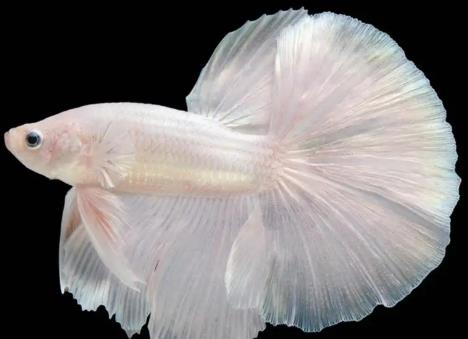
Betta fin whitening can be a sign of saprolegniasis (water mold disease), ichthyophthiriasis (white spot disease), fin rot, or tail burn. It is necessary to determine the cause based on specific symptoms and take targeted treatment measures such as increasing water temperature, medicated baths, and improving water quality. Below are the possible causes and handling methods for betta fin whitening:
Possible Causes and Symptoms
Saprolegniasis (Water Mold Disease)
Symptoms: White cotton-like substances appear on the surface of the fins, resembling mold growth. This may be accompanied by loss of appetite and abnormal swimming behavior.
Cause: After the betta’s body is injured, saprolegnia spores invade the wound. This disease is prone to outbreak in low water temperatures or poor water quality.
Ichthyophthiriasis (White Spot Disease)
Symptoms: Small white spots (the size of a pinhead) appear on the fins and body, like scattered grains of salt. Infected bettas may rub against the tank walls or clamp their fins.
Cause: Caused by the parasite Ichthyophthirius multifiliis (commonly known as "ich"). It is likely to occur when there are large fluctuations in water temperature (e.g., sudden drops in temperature).
Fin Rot / Tail Burn
Symptoms: The edges of the fins turn white and ulcerate, looking as if burned by fire. The tail fin may take on a "broom-like" shape, and scale loss may occur in severe cases.
Cause: Poor water quality (e.g., excessively low pH, ammonia overload), bacterial infection after fin injury, or fin-nipping between bettas.
Other Factors
Parasitic Infections: After being bitten by parasites such as Dactylogyrus (gill flukes) or Gyrodactylus (skin flukes), the fins may develop bleeding spots or white spots.
Malnutrition: Long-term feeding of a single type of food or lack of vitamins leads to weakened immunity in the betta, resulting in dull fin color.
Handling Methods
Isolate the Infected Betta
Move the infected betta to a separate treatment tank to prevent the spread of disease to healthy fish.
Improve Water Quality
Daily Water Changes: Replace 1/3 to 1/2 of the water daily using pre-conditioned (aged) water of the same temperature to minimize water parameter fluctuations.
Water Testing: Use test kits to monitor ammonia, nitrite, and pH levels, ensuring they remain within safe ranges.
Salt Addition: Soak the betta in a 1%-2% dilute salt solution (1-2 grams of sea salt per liter of water) to assist in anti-inflammation and sterilization.
Medicated Treatment
For Saprolegniasis (Water Mold Disease)
Use a dedicated medication (e.g., "White Spot & Mold Remedy") and administer a medicated bath according to the dosage instructions on the product label.
Stop feeding the betta temporarily, and treat it with methylene blue + sea salt + increased water temperature (30°C / 86°F).
For Ichthyophthiriasis (White Spot Disease)
Increase the water temperature to 28-30°C (82-86°F) and maintain it for 3 days to inhibit the reproduction of Ichthyophthirius multifiliis.
Administer a medicated bath using methylene blue or oxytetracycline, following the dosage specified on the product label.
For Fin Rot / Tail Burn
Trim off the rotten parts of the fins (ensure the scissors are disinfected first), then administer a medicated bath with nitrofurazone (yellow powder) and soak in water with Terminalia catappa leaves (to inhibit bacteria).
In severe cases, add metronidazole (1 tablet per 10 liters of water) and raise the water temperature to 28°C (82°F) to promote the betta’s metabolism.
Promote Healing
Vitamin Supplementation: Add B-complex vitamins or vitamin C to the feed to enhance the betta’s immune system.
High-Protein Feed: Feed frozen bloodworms, brine shrimp, or other live foods to promote wound healing.
Minimize Stimuli: Reduce light exposure during treatment and keep the environment quiet to prevent the betta from experiencing stress.
Prevention Measures
Maintain Clean Water Quality
Replace 1/3 of the tank water weekly and clean the filter media to prevent water deterioration.
Use a water conditioner to adjust the pH level and keep ammonia and nitrite concentrations close to 0.
Prevent Body Injuries
Choose smooth tank decorations; avoid sharp artificial rocks or plastic plants that may scratch the fins.
Handle the betta gently during catching to reduce stress on its body.
Scientific Tankmate Selection
Male bettas should be housed individually to avoid fin-nipping caused by fights.
Do not house bettas with fish of significantly different sizes or aggressive species.
Regular Observation
Check the betta’s fins and skin daily for abnormalities. Detect problems early and handle them promptly.