
Betta fin tearing is a common issue during captivity, typically caused by physical damage, water quality problems, disease infections, or aggressive behavior. Beyond affecting the betta’s appearance, fin tearing can lead to secondary infections; in severe cases, it may result in fin rot or impair the fish’s ability to swim. Below is a detailed breakdown of its symptoms, causes, treatment methods, and preventive measures:
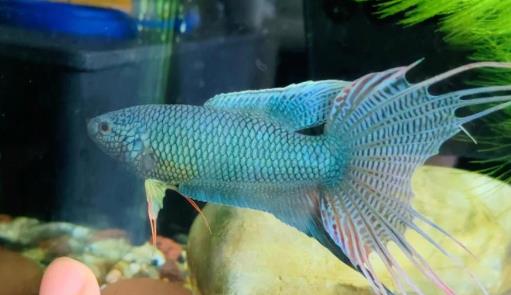
I. Typical Symptoms
Fin Damage
Edge Tearing: Irregular splits appear along the fin edges, which may take on a serrated or forked shape.
Fin Ray Breakage: The fin rays (rigid bones that support the fins) break partially or completely, causing abnormal fin shape.
Transparent Membrane Loss: The transparent membrane (fin membrane) on the fin surface is damaged, exposing the underlying tissue.
Secondary Infections
Redness and Inflammation: The torn area becomes red and swollen, possibly accompanied by increased mucus secretion.
Ulceration and Pus Formation: In severe infections, white or yellow pus-like substances develop on the fins, and the fins may even rot down to the base.
Mold Growth: When water quality deteriorates, white or grayish-green mold (saprolegniasis) may attach to the fins.
Behavioral Abnormalities
Difficulty Swimming: After fin damage, the betta’s balance is impaired, and it may float sideways or sink to the tank bottom.
Loss of Appetite: Due to pain or discomfort, the betta may refuse food or have trouble swallowing.
Hiding Behavior: The betta frequently hides behind aquatic plants or tank decorations to avoid exposing its wounds.
II. Common Causes
Physical Damage
Scratches from Decorations: Sharp artificial rocks, plastic plants, or filter inlets can scratch the fins.
Rough Netting: Rough handling when catching the betta with a net, or the fish struggling in panic, can cause fin ray breakage.
Transport Stress: During long-distance transport, the betta may collide with the packaging container, resulting in fin damage.
Water Quality Issues
Ammonia/Nitrite Overload: Poor water quality weakens the betta’s immune system, making its fins more susceptible to damage.
pH Fluctuations: Sudden changes in water parameters (e.g., a sharp drop in pH) can cause fin congestion or tearing.
Hard Water Irritation: High mineral content in water (such as calcium and magnesium) may corrode the soft tissues of the fins.
Disease Infections
Bacterial Fin Rot: Infections from bacteria like Flavobacterium columnare cause fin edges to ulcerate and dissolve.
Parasitic Bites: Parasites such as Dactylogyrus (gill flukes) and Gyrodactylus (skin flukes) bite the fins, leading to bleeding spots or tearing.
Fungal Infections: Saprolegniasis fungi grow on fin wounds, forming white cotton-like mold.
Aggressive Behavior
Intraspecies Nipping: Bettas are naturally aggressive; male bettas (or mixed male-female groups) may nip each other’s fins.
Tankmate Conflicts: Housing bettas with fish of significantly different sizes can result in the betta being attacked.
III. Treatment Methods
Isolate the Injured Betta
Move the injured betta to a separate treatment tank to prevent healthy fish from nipping its wounds or cross-infection.
Improve Water Quality
Daily Water Changes: Replace 1/3 to 1/2 of the water daily using pre-conditioned water of the same temperature to minimize water parameter fluctuations.
Water Testing: Use test kits to monitor ammonia, nitrite, and pH levels, ensuring they remain within safe ranges.
Salt Addition: Soak the betta in a 1%-2% dilute salt solution (1-2 grams of sea salt per liter of water) to aid in anti-inflammation and sterilization.
Medication Treatment
Antibiotics
Yellow Powder (Nitrofurazone): Administer bath treatments at the dosage specified on the product label, once daily for 3-5 consecutive days.
Gentamicin: Add 40,000 units per 10 liters of water and perform bath treatments for 3 days, suitable for severe bacterial infections.
Anti-Parasitic Drugs
Trichlorfon: Conduct bath treatments at a concentration of 0.2-0.5 ppm, effective against parasites like Dactylogyrus.
Mebendazole: Add 1 gram per 100 liters of water and perform bath treatments for 24 hours to eliminate Gyrodactylus.
Anti-Fungal Drugs
Methylene Blue: Add 0.05 grams per 10 liters of water and perform bath treatments for 3 days to treat saprolegniasis.
Malachite Green (Use with Caution): Conduct short-term bath treatments at a concentration of 0.1 ppm; strictly control the dosage.
Promote Healing
Vitamin Supplementation: Add B-complex vitamins or vitamin C to the feed to enhance the betta’s resistance.
High-Protein Feed: Feed frozen bloodworms, brine shrimp, or other live foods to promote wound healing.
Minimize Stimuli: Reduce light exposure during treatment and keep the environment quiet to prevent the betta from becoming stressed.
IV. Preventive Measures
Optimize Tank Environment
Choose Smooth Decorations: Avoid sharp artificial rocks or plastic plants; use silk plants or smooth stones instead.
Install Filter Sponges: Wrap fine filter sponges around filter inlets to prevent fins from being sucked in.
Control Water Flow: Adjust the filter’s power to avoid strong water currents that may buffet the betta.
Standardize Handling Practices
Gentle Netting: Use soft nets to catch the betta, moving slowly to prevent the fish from struggling.
Minimize Transport: Avoid moving the tank unnecessarily; when transport is required, use breathable bags and ensure proper oxygenation.
Scientific Tankmate Selection
Single-Betta Housing: Male bettas should be housed individually; females can be kept in groups but require sufficient space.
Avoid Incompatible Tankmates: Do not house bettas with fish of significantly different sizes or aggressive species (e.g., arowanas, oscar fish).
Regular Maintenance
Weekly Water Changes: Replace 1/3 of the water weekly and clean filter media to maintain clean water.
Daily Observation: Check the betta’s fins and skin daily for abnormalities to detect issues early.