
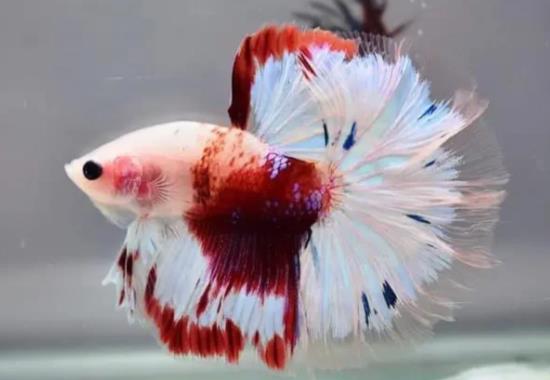
(especially the commonly kept Siamese fighting fish) have specific requirements for water pH, with ideal ranges and key considerations outlined below:
Ideal pH Range
6.5–7.5: This is the optimal pH range for Siamese bettas, a slightly acidic to neutral environment where they thrive best.
Tolerable Range: Some sources note that bettas can briefly adapt to a pH of 6.0–8.0, but prolonged exposure outside the ideal range may lead to health issues like metabolic disorders and weakened immunity.
How pH Impacts Betta Fish
Physical Health
Excessively acidic water (pH < 6.0): Can erode bettas’ gills, impairing their ability to breathe. Long-term exposure to acidic conditions also increases the risk of bacterial infections.
Excessively alkaline water (pH > 8.0): May disrupt the fish’s osmoregulation, causing damage to their skin or gills.
Rapid pH fluctuations: Frequent swings in pH levels trigger stress responses in bettas, which lowers their overall immunity.
Breeding & Fry Care
During breeding, a more stable pH (near neutral) is critical to support egg development and hatching success.
Fry are far more sensitive to water parameter changes, so maintaining a consistent pH is non-negotiable for their survival and growth.
How to Adjust & Maintain pH Levels
Natural Adjustment Methods
Driftwood & almond leaves: Release tannins that gradually lower pH, making them ideal for slightly alkaline water.
Coral skeletons & seashells: Raise pH levels, suitable for acidic water—use cautiously to avoid over-alkalizing the tank.
Water conditioners: Specialized products like pH buffers can adjust levels effectively, but always follow the manufacturer’s instructions precisely.
Routine Tank Maintenance
Regular water changes: Replace 1/3–1/2 of the tank water weekly to reduce harmful buildup and keep pH stable.
Avoid tap water directly: Chlorine in tap water can disrupt water quality; let water sit uncovered for 24 hours or use a dechlorinator before adding it to the tank.
Consistent monitoring: Use pH test strips or electronic meters to check levels regularly and ensure stability.
Link to Other Water Parameters
Ammonia/nitrite: High concentrations of these toxins can worsen pH fluctuations—control them with proper filtration and regular water changes.
Temperature: Rising water temperatures can slightly lower pH, so adjustments should account for both parameters together.
Key Precautions
Avoid rapid adjustments: pH levels should change no more than 0.2 per day to prevent stressing your betta.
Individual variability: Different betta breeds or individual fish may have slight variations in pH tolerance—monitor their activity and appetite to fine-tune conditions.
Community tank considerations: If housing bettas with other fish, select compatible species and balance pH needs to suit all tank inhabitants.
Summary
Betta fish thrive best in water with a pH of 6.5–7.5, and stability is key to their health. You can effectively adjust pH using natural materials, water conditioners, and regular water changes, while also accounting for the combined effects of other parameters like ammonia and temperature. For significant pH imbalances, make gradual adjustments and closely observe your betta’s behavior and condition to ensure they adapt safely.