
Whether algae pose a threat to betta fish depends on a combination of factors, including algae species, growth levels, and overall tank conditions. When present in moderation, algae can benefit bettas—but overgrowth or certain types of algae may create serious risks. Below is a detailed breakdown:
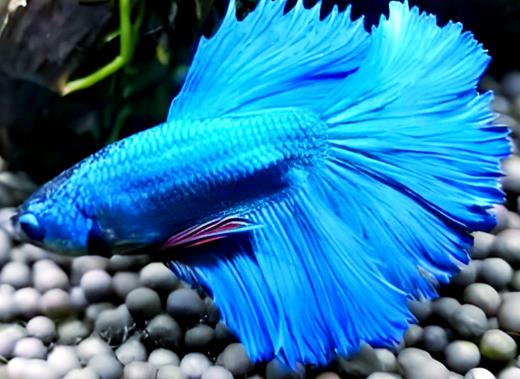
I. Beneficial Effects: The Upsides of Moderate Algae Growth
Provides Natural Food Sources
Planktonic algae: Species like green algae and diatoms serve as a nutrient-rich natural food for betta fry and small adult bettas, supplementing their diet.
Attached algae: Algae that grow on driftwood or rocks (such as brown algae) can be nibbled on by bettas, aiding in digestion and providing enrichment.
Improves Water Quality
Absorbs harmful substances: Through photosynthesis, algae take up toxic compounds like ammonia and nitrite from the water, reducing the risk of water pollution.
Releases oxygen: During daylight hours, algae produce oxygen, boosting dissolved oxygen levels in the tank (note: they consume oxygen at night, so algae density must be kept in check).
Mimics Natural Habitats
A small amount of algae recreates the look and feel of bettas’ native Southeast Asian waters, reducing stress and encouraging natural behaviors like bubble nest building and exploratory swimming.
II. Potential Risks: Dangers of Overgrown or Specific Algae
Competes for Oxygen
Nighttime respiration: Algae consume oxygen after dark. In overgrown tanks—especially small setups without aeration equipment—this can lead to oxygen depletion, putting bettas at risk of suffocation.
Decomposition of dead algae: When large amounts of algae die off and decompose, they deplete oxygen and release ammonia, rapidly worsening water quality.
Releases Toxins
Blue-green algae (cyanobacteria): Certain strains (like Microcystis) produce toxins such as microcystins, which directly harm bettas by causing liver damage, neurological poisoning, or even death.
Identification tip: Blue-green algae typically appear as a slimy, blue-green film or foam, clumping on the water’s surface or tank walls.
Impairs Visibility and Limits Space
Overgrowth issues: Thick algae cover on tank walls, plants, or filter equipment ruins the tank’s aesthetic appeal and can clog filters, disrupting water flow and destabilizing water parameters.
Restricts movement: Dense algae mats can hinder bettas’ swimming or bubble nest construction, with long-finned varieties (like veil tail bettas) being particularly vulnerable to fin entanglement.
Acts as a Breeding Ground for Parasites and Bacteria
Decaying algae create a breeding environment for harmful bacteria and parasites (such as Dactylogyrus and Chilodonella), increasing the likelihood of betta infections.
III. How to Balance Algae Growth for Healthy Bettas
Control Algae Population
Regular water changes: Replace 1/3–1/2 of the tank water weekly to reduce nutrient buildup (like nitrates and phosphates) that fuels algae blooms.
Limit light exposure: Keep the tank out of direct sunlight and restrict artificial lighting to 6–8 hours per day.
Physical removal: Use an algae scraper to clean tank walls, or manually pluck excess algae from live plants.
Introduce Algae-Eating Tank Mates
Compatible cleanup crew: Add algae-consuming species like otocinclus catfish, cherry shrimp, or apple snails (ensure they’re betta-safe to avoid aggression).
Monitor density: Don’t overstock cleanup organisms, as they may compete with bettas for resources.
Use Algaecides Cautiously
Opt for fish-safe algaecides (such as glutaraldehyde-based products) and follow dosage instructions strictly to avoid residual harm to bettas. Prioritize natural ecological balance over chemical solutions whenever possible.
Monitor Water Quality and Betta Behavior
Test ammonia, nitrite, and pH levels regularly to maintain stable water conditions.
Watch for signs of distress (like gasping at the surface or loss of appetite), which may indicate oxygen deprivation or algae toxin exposure.
IV. Conclusion: Algae as a Double-Edged Sword
Beneficial scenarios: Small, diverse algae populations (e.g., green and brown algae) improve water quality, offer natural food, and replicate bettas’ wild habitat.
Harmful scenarios: Blue-green algae or unchecked overgrowth release toxins, deplete oxygen, and threaten betta health.
Key principle: Maintain algae balance through water changes, light control, and biological competition to avoid extreme algae levels and keep your bettas thriving.