
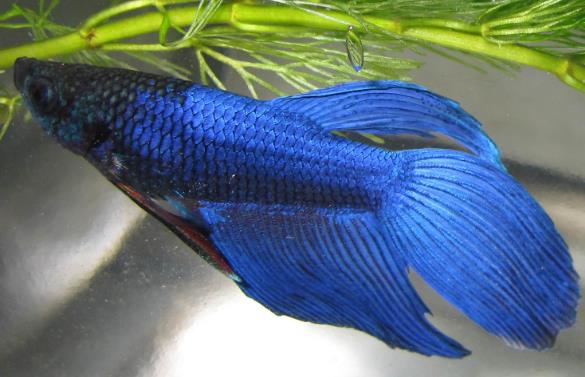
Betta fish bloating can be caused by overfeeding, dropsy, abnormal intestinal swelling, abnormal ovarian swelling, abnormal swim bladder swelling, or abnormal tissue hyperplasia. Targeted measures should be taken based on the specific cause, as detailed below:
1. Overfeeding
Cause: Excessive feeding leads to the betta consuming too much food, resulting in a distended abdomen.
Solution: Reduce the daily feeding frequency and amount. Feed the betta once a day, and stop feeding when it is 70-80% full.
2. Dropsy
Cause: Caused by bacterial or parasitic infections, which lead to edema of internal organs and subsequent abdominal swelling.
Solutions:
Remove the sick betta and isolate it to prevent the spread of infection to other fish.
Feed food mixed with oxytetracycline for bactericidal treatment, or use magnesium sulfate for a medicated bath. Specifically, add 0.2g of magnesium sulfate to 10 liters of water, conduct a 30-minute bath each time, maintain a water temperature of 30°C (86°F) throughout the process, and limit the treatment course to ≤ 5 days.
Implement the "3-3 Rule" for water changes: Replace 1/3 of the tank water weekly and clean the filtration system every three weeks.
Use Indian almond leaves to release tannic acid, which helps inhibit bacterial growth.
3. Abnormal Intestinal Swelling
Cause: Swelling of the intestines due to enteritis, blockage by abnormal objects in the intestines, etc.
Solutions:
Enteritis may be caused by hexamita infection or bacterial infection, and diagnosis requires microscopic examination of fecal smears.
For hexamita-induced enteritis, check if the betta is experiencing stress-related issues; for bacterial enteritis, inspect whether the fed food is improperly stored.
If diagnosis is not possible, use mild intestinal medications followed by probiotic medications—this may provide a partial chance of recovery.
Betta fish with constipation have normal appetite and posture but show abnormal abdominal swelling, and no feces can be seen in the tank. Treat this by adding probiotics or dietary fiber to their food to improve the condition.
4. Abnormal Ovarian Swelling
Cause: Pregnant female bettas with unbalanced nutrition and obesity may experience compressed birth canals, endocrine disorders, or trace element deficiencies. These issues cause mature eggs to become trapped in the ovaries, triggering abnormal inflammatory reactions.
Solutions:
To prevent egg binding, do not overfeed pregnant female bettas. The feeding amount should not differ significantly from usual, but additional vitamins or minerals can be added to their food every 3-5 days, or feed a mix of foods from several brands to supplement nutrition for the female betta.
If egg binding has already occurred, the only treatments are surgical egg removal or oxytocin injection—these methods are not operable for ordinary betta keepers.
5. Abnormal Swim Bladder Swelling
Cause: Abnormal swelling of the swim bladder can also cause betta bloating, usually accompanied by abnormal swimming postures or symptoms where the betta floats on the water surface and cannot sink.
Solution: It is necessary to determine the cause of the swim bladder swelling, which may be due to compression of the swim bladder duct by swelling of other internal organs. Treatment should target the cause of the swelling in the other organs.
6. Abnormal Tissue Hyperplasia
Cause: During chronic bacterial infections, bacteria can form numerous granulomatous masses in the betta’s internal organs, leading to organ enlargement; tumors can also cause organ enlargement.
Solutions:
Chronic bacterial infections can only be diagnosed through post-mortem dissection or ultrasound. There is no effective treatment method, so bettas with this condition must be culled to prevent infecting other fish.
Tumors can only be diagnosed through dissection, ultrasound, or X-rays. The only treatment is surgical removal, but tumors are not contagious, so there is less need for concern.