
Betta fish (especially the commonly kept Siamese fighting fish) are classified as tropical fish, with their native habitats, physiological characteristics, and care needs all aligning with the typical traits of tropical aquatic species. A detailed breakdown is provided below:
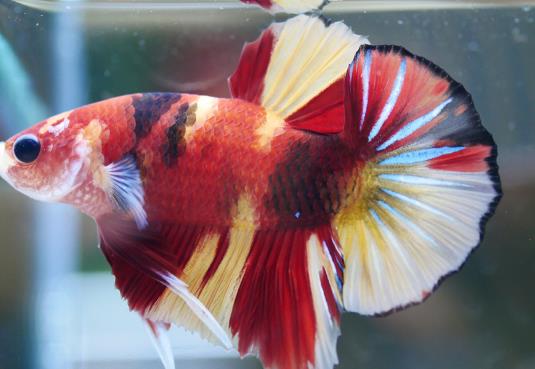
1. Native Habitat: Tropical Climates
Geographic Distribution
Siamese fighting fish (Betta splendens) originate from tropical regions of Southeast Asia, including Thailand, Vietnam, and Malaysia. These areas feature hot and humid climates, with an annual average temperature ranging between 25–30°C (77–86°F).
Natural Living Environment
They typically inhabit shallow water bodies such as rice paddies, swamps, and small streams. These waters maintain high, stable temperatures with minimal seasonal fluctuations, creating ideal conditions for bettas to thrive.
2. Physiological Traits: Adapted to Warm Water
Optimal Water Temperature
The ideal temperature for betta growth is 24–28°C (75–82°F). During the breeding period, temperatures should be maintained at 26–28°C (79–82°F) to support egg development and hatching.
Risks of Low Temperatures
When water drops below 20°C (68°F), bettas experience slowed metabolism and weakened immunity, making them prone to illnesses like swim bladder disorders and ich (white spot disease). Prolonged exposure to temperatures below 15°C (59°F) can be fatal.
High Temperature Tolerance
While bettas can briefly withstand temperatures above 30°C (86°F), sustained high heat accelerates water quality deterioration and increases the risk of oxygen depletion in the tank.
Unique Respiratory System
Bettas possess a specialized labyrinth organ that allows them to extract oxygen directly from the air. This adaptation enables survival in low-oxygen tropical shallow waters but also makes them more sensitive to sudden temperature shifts.
3. Care Requirements: Mimicking Tropical Conditions
Heating Equipment
In temperate or frigid regions, a reliable aquarium heater is essential to maintain stable water temperatures and prevent extreme day-night fluctuations.
Water Quality Management
Tropical water bodies are typically neutral (pH 6.5–7.5) with low hardness. For captive bettas, regular water changes and consistent water parameter monitoring are critical to replicate these conditions.
Lighting and Aquatic Vegetation
To mimic their natural shallow-water habitat, incorporate driftwood, live aquatic plants, or duckweed into the tank. These additions provide shade and secure hiding spots for bettas.
4. Comparison with Temperate Fish
Temperate fish like goldfish and koi have a much wider temperature tolerance range, thriving in waters between 5–30°C (41–86°F) and boasting strong resilience to cold conditions. Unlike tropical species, they do not require specialized heating equipment to survive in most home environments.
In contrast, tropical fish such as bettas and guppies have strict temperature needs and demand consistent, warm water to stay healthy, necessitating the use of aquarium heaters for temperature regulation. They also tend to be smaller in size and display the bright, vivid coloration that is a signature trait of tropical aquatic life.
Summary
Betta fish are classic tropical fish, with their native environment, physiological needs, and care requirements deeply tied to tropical climates. When kept in non-tropical regions, aquarists must use heaters, water conditioners, and habitat adjustments to replicate their natural tropical habitat, ensuring the fish’s health and longevity.