
Betta Edema Disease is a common and potentially fatal condition primarily triggered by factors such as bacterial infections, poor water quality, or parasitic infestations. It leads to the abnormal accumulation of tissue fluid in the fish's body, resulting in obvious edema symptoms. Below are the typical symptoms of Betta Edema Disease along with supplementary explanations:
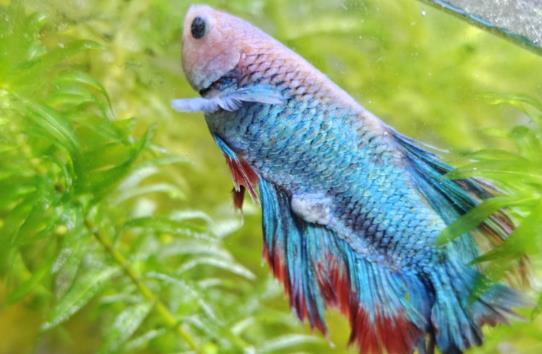
I. Typical Symptoms
Body Swelling
Generalized Swelling: The entire body of the betta becomes distended, particularly around the abdomen, gill covers, or eyes, and may take on a "balloon-like" appearance.
Localized Swelling: Only specific areas such as the head, abdomen, or fins are swollen, which may be accompanied by loose or wrinkled skin.
Abnormal Scales
Erected Scales: Scales in the swollen areas flip outward, creating a "pinecone-like" look, and feel rough to the touch.
Scale Loss: In severe cases of infection, scales may fall off, exposing red and inflamed skin underneath.
Eye Abnormalities
Protrusion of One or Both Eyes: The eyeballs become swollen, possibly accompanied by cloudiness or bleeding; in extreme cases, the eyeballs may even fall out.
Decreased Vision: The betta shows slow responses to light or food and may bump into the tank walls while swimming.
Gill Abnormalities
Swollen Gill Covers: The edges of the gill covers are red and inflamed, which may be accompanied by increased mucus secretion.
Rapid Breathing: The betta frequently surfaces for air or swims quickly in an attempt to obtain more oxygen.
Behavioral Abnormalities
Reduced Activity: The betta hides for long periods, stays at the bottom of the tank, or floats on its side, and has a slow response to stimuli.
Loss of Appetite: It refuses to eat or has difficulty swallowing, and may even exhibit vomiting.
Skin Lesions
Redness or Ulcers: The skin in the swollen areas turns red, possibly with white or yellow pus-like substances.
Increased Mucus: A layer of mucus covers the betta's body, making it feel slippery to the touch.
II. Cause Analysis
Bacterial Infections
Common pathogenic bacteria include Flavobacterium columnare (which causes columnaris disease) and Aeromonas species. These bacteria invade the betta's body through wounds or gills.
Poor Water Quality
High concentrations of ammonia, nitrite, or drastic fluctuations in pH levels disrupt the betta's osmotic balance.
Parasitic Infestations
Parasites such as Dactylogyrus (gill flukes) and Gyrodactylus (skin flukes) bite the betta, leading to secondary bacterial infections that trigger edema.
Malnutrition
Long-term feeding of a single type of food or a lack of vitamins weakens the betta's immune system.
III. Treatment Recommendations
Isolate the Sick Betta
Move the infected betta to a separate treatment tank to prevent the spread of the condition to healthy fish.
Improve Water Quality
Change 1/3 of the water daily, use a water conditioner to adjust the pH level, and keep the concentrations of ammonia and nitrite close to 0.
Medication Treatment
Antibiotics: Substances like yellow powder (nitrofurazone) or gentamicin can be used for soaking or bath treatments according to the dosage instructions on the product label.
Anti-Parasitic Drugs: Medications such as trichlorfon or mebendazole are used specifically for parasitic infestations.
Salt Bath: Soak the betta in a 1%-3% dilute salt solution for 10-15 minutes once a day to assist in reducing inflammation.
Enhance Immunity
Feed the betta high-protein foods (such as frozen bloodworms or brine shrimp) and add B vitamins or immune boosters.
IV. Preventive Measures
Regular Water Changes: Replace 1/2 to 2/3 of the tank water weekly to keep the water clean.
Avoid Overfeeding: Feed the betta 1-2 times a day, and ensure the food is consumed within 5 minutes each time.
Quarantine New Fish: Isolate newly purchased bettas for 2 weeks and confirm they are disease-free before introducing them to the main tank.
Minimize Stress: Avoid moving the tank frequently or suddenly changing environmental parameters (e.g., temperature, pH).
Note: If the symptoms continue to worsen or the betta experiences difficulty breathing, contact a professional veterinarian immediately for diagnosis to avoid delaying treatment.