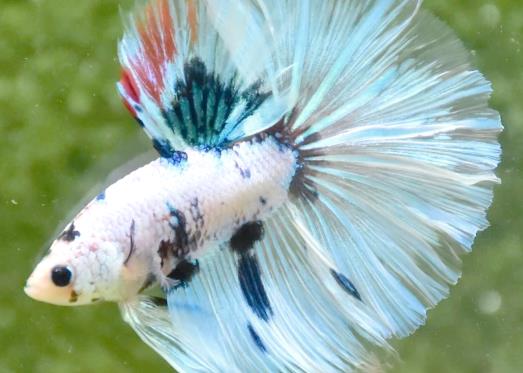
Betta fish can be kept with the following types of fish, but attention must be paid to tank setup and individual differences:
1. Fish Compatible with Betta Fish
Fast-Swimming Fish
Zebra Danios: Slender-bodied and fast-swimming, they have strong environmental adaptability and a gentle temperament. When housed with bettas, they can avoid attacks by swimming quickly.
Neon Tetras: Small-sized and agile swimmers, they form dynamic schools that bettas struggle to chase.
Cardinal Tetras: Similar in habit to Neon Tetras, they have vibrant colors. Their schooling behavior helps distract bettas.
Mollies: Brightly colored with strong disease resistance, they are fast and flexible swimmers, effectively avoiding betta attacks.
Platies: Moderate-sized, agile, and social, they have strong adaptability. Keeping them with bettas enhances the tank’s visual appeal.
Bottom-Dwelling Fish
Plecos: Primarily active at the tank bottom, they feed on leftover food and debris. Their bodies have hard spines, making them difficult for bettas to attack.
Otocinclus Catfish: Small-sized, they feed on algae and 青苔 (moss). With a moderate swimming speed, their activity area does not overlap with that of bettas.
Corydoras Catfish (e.g., Peppered Corydoras, Gold Algae Eaters): Gentle in temperament, they prefer to stay at the tank bottom, so their living space does not overlap with bettas.
Other Gentle Fish
Swordtails: Fast swimmers, they are similar in size to bettas but have a gentle nature, rarely causing conflicts.
Gouramis (Species Selection Requires Caution): Some species (e.g., Blue Gouramis) may fight with bettas, but others like Dwarf Gouramis and Pearl Gouramis pose fewer co-habitation issues with bettas.
2. Key Co-Habitation Conditions
Tank Size
The tank length should be more than 10 times the betta’s body length (e.g., 40cm or longer) to reduce its territorial instincts. A large tank provides more swimming space and hiding spots, lowering the risk of conflicts.
Tank Setup
Aquatic Plants & Hiding Spots: Plant water plants such as Cabomba and Anubias, or place rock formations and driftwood to provide hiding spaces for fish.
Layered Design: Use aquatic plants and decorations to divide the tank space, creating a three-dimensional layout with a middle layer (for tetras) and a bottom layer (for catfish), reducing overlap in activity areas.
Water Quality Management
Bettas thrive in water temperatures between 24℃–28℃, and tank mates must adapt to the same temperature range.
Maintain clean water by changing 1/3 to 1/2 of the water weekly, preventing excessive ammonia and nitrite levels.
Feeding Strategy
Feed Bettas First: Offer bettas their preferred food (e.g., frozen bloodworms). Once they start eating, feed other fish to reduce attacks caused by food competition.
Control Food Amount: If a betta’s abdomen is slightly distended, reduce its food intake by 1/3 to avoid increased aggression due to overeating.
3. Risk Prevention Measures
Observe Individual Differences
Each betta has a unique personality. Before co-habitation, observe if it shows aggressive tendencies toward other fish. If a betta continuously chases or nips other fish, isolate it immediately.
Avoid Temperature Fluctuations
A temperature difference exceeding 2℃ will significantly increase a betta’s aggression. Use a heater to keep the water temperature constant (28℃ is optimal).
Reduce Stress Factors
Avoid frequent light switching, tapping the tank, or sudden movement of decorations to minimize the betta’s stress response.
Add Indian Almond Leaves to release tannic acid, which slightly colors the water and helps relieve the betta’s anxiety.