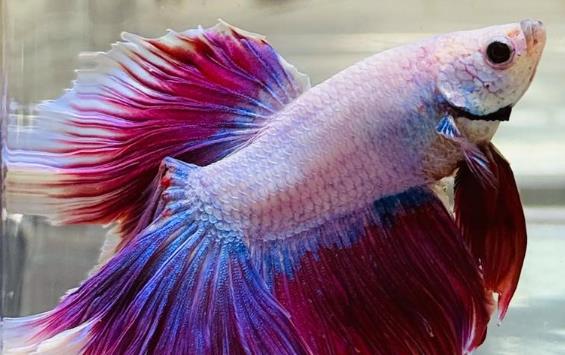
A sudden lack of movement in betta fish (Betta splendens) is a sign of potential health or environmental issues, requiring troubleshooting across water temperature, water quality, disease, environmental stress, and other factors. Below is a detailed analysis and solution guide:
1. Emergency Checks: Rule Out Life-Threatening Risks
Observe Breathing Condition
Normal: Gills open and close steadily (about 30~60 times per minute), no gasping (head surfacing for air).
Abnormal: Rapid gill movement, gasping, or labored breathing → may indicate low oxygen or gill disease.
Action: Immediately increase oxygenation (turn on the filter or air pump) and check if the water temperature is too high (cool it down if >28°C/82°F).
Check Fish Balance
Abnormal: Floating sideways or sinking to the bottom, unable to maintain an upright position → may signal swim bladder disorder (internal organ issue) or severe infection.
Action: Isolate the sick fish, lower the water level to around 5cm (2 inches) to reduce buoyancy pressure, maintain a water temperature of 26°C~27°C (79°F~81°F), and try feeding cooked peas (aids digestion).
2. Core Cause Troubleshooting & Solutions
2.1 Abnormal Water Temperature
Symptoms: Below 22°C (72°F), bettas’ metabolism slows and activity drops; above 30°C (86°F), low oxygen becomes likely.
Solutions:
Use a thermometer to measure the temperature. Turn up the heater to 25°C~27°C (77°F~81°F) if too low, or cool the water with an air conditioner or fan if too high.
Avoid temperature fluctuations: Ensure the new water differs by ≤2°C (3.6°F) from the tank water during changes, and never replace more than 1/3 of the water at once.
2.2 Deteriorated Water Quality
Key Parameters:
Ammonia/nitrite: Elevated levels directly poison fish, leading to loss of mobility.
pH level: Extreme values (<6 or >8) cause stress.
Dissolved oxygen: Low oxygen results in gasping and lethargic swimming.
Solutions:
Immediate water change: If ammonia/nitrite is high, replace 1/3 of the water and add a water conditioner (e.g., nitrifying bacteria).
Test pH: Use test strips or an electronic tester. Adjust to 6.5~7.5 with coral bone (raises pH) or driftwood (lowers pH).
Increase oxygen: Adjust the filter outlet to boost surface agitation or install an air pump.
2.3 Disease Infections
Common Diseases:
Ich: White spots on the body, fish rubbing against tank walls, and lazy swimming.
Water mold: White fluffy growth on the body, decreased appetite.
Enteritis: Swollen abdomen, abnormal waste (white stringy feces or prolonged constipation).
Solutions:
Ich: Raise the temperature to 30°C (86°F) (no more than 2°C/3.6°F per day), add salt (1 gram of sea salt per 10 liters of water), and continue for 3~5 days.
Water mold: Treat with methylene blue or water mold medication baths, along with water changes and tank cleaning.
Enteritis: Fast the fish for 1 day, then feed peeled cooked peas or specialized enteritis medication (e.g., oxytetracycline).
2.4 Environmental Stress
Common Triggers:
New fish acclimation: Temperature or water quality shock from improper acclimation.
Tankmate conflicts: Fighting or being chased by other fish.
Noise/vibration: Tank placed near electronics or frequently moved.
Solutions:
New fish handling: Float the fish bag in the tank for 20 minutes, add tank water to the bag in 3 increments, then transfer the fish and leave it undisturbed for 1 day.
Isolate aggressors: If stress stems from cohabitation, house the betta alone.
Reduce disturbance: Move the tank to a quiet corner, avoiding direct sunlight or harsh lighting.
2.5 Hunger or Overfeeding
Symptoms:
Hunger: Lethargy from prolonged lack of food.
Overfeeding: Swollen abdomen, sinking to the bottom, and potential enteritis.
Solutions:
Regular feeding: Adult bettas once a day, with food eaten within 5 minutes; juveniles twice a day.
Adjust portion size: If overfed, fast for 1 day and reduce future feedings.
3. Handling Special Cases
Elderly fish: Bettas over 2 years old naturally become less active. Reduce disturbance and use soft substrate to prevent injuries.
Breeding period: Male bettas reduce movement while building bubble nests—this is normal, but water quality must remain stable.
Medication overdose: If medication was recently used, poisoning may occur → immediately change 1/2 of the water and add activated carbon to absorb residual medication.
4. Preventive Measures
Regular maintenance: Replace 1/3 of the water weekly, clean filter media, and test water quality.
Stable environment: Avoid frequent tank moves or equipment adjustments.
Observation and recording: Track daily behaviors (e.g., swimming, eating) to spot issues early.
Backup plan: Prepare a quarantine tank and common medications (e.g., salt, furacilin, methylene blue) for emergencies.
Action Recommendations
Immediate checks: Measure water temperature, test water quality, and inspect the fish for abnormalities (e.g., white spots, fin rot).
Prioritize urgent issues: Address low oxygen, poor water quality, or disease first.
Be patient: Recovery may take 1~2 weeks—avoid rushing changes.
If the above measures don’t work, the issue may involve internal organ problems (e.g., heart or swim bladder issues). Consult a veterinarian or experienced fishkeepers for further diagnosis. Maintaining a stable tank environment is critical—avoid frequent changes to water parameters.