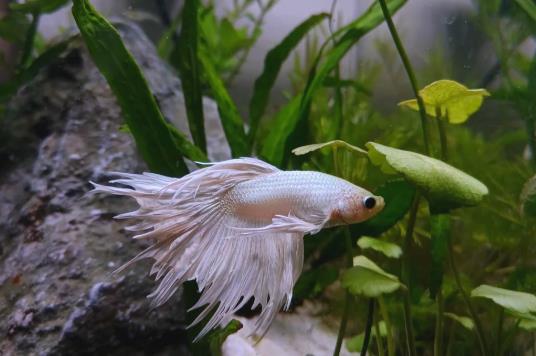
Betta fish (Betta splendens) being inactive can stem from multiple factors, including an unfavorable environment, health issues, or changes in behavioral habits. Below is a detailed troubleshooting and improvement guide to help restore your betta’s vitality:
1. Check if the Water Temperature is Suitable
Ideal range: Bettas are most active between 25°C~27°C (77°F~80°F).
Too low (<24°C/75°F): Slows metabolism, reduces activity, and may cause loss of appetite.
Too high (>28°C/82°F): Increase oxygenation immediately, as low oxygen can lead to gasping at the surface.
Solutions:
Use a thermometer to measure the water temperature. Turn up the heater if it’s too low, or use an air conditioner or small fan to cool the water if it’s too high.
Avoid sudden temperature changes from frequent water changes (keep the temperature difference ≤2°C/3.6°F per change).
2. Evaluate Water Quality
Key parameters:
Ammonia/nitrite: Toxin buildup directly harms fish and reduces activity.
pH level: Bettas thrive in slightly acidic to neutral water (6.5~7.5); extreme pH causes stress.
Dissolved oxygen: High temperatures or enclosed environments lead to low oxygen, shown by gasping and rapid breathing.
Solutions:
Test water quality weekly with test kits or strips.
If ammonia/nitrite levels are high: Immediately change 1/3 of the water and enhance the filtration system (e.g., add sponge filter media).
If oxygen is low: Increase water surface agitation (e.g., adjust the filter outlet) or install an air pump.
3. Observe Fish Health
Common disease signs:
Skin abnormalities: White spots, fin rot, redness, or ulcers (may indicate ich, water mold, or bacterial infection).
Breathing issues: Rapid gill movement or gasping (possible low oxygen or parasite infestation).
Abnormal waste: White stringy feces or prolonged constipation (may signal indigestion or enteritis).
Solutions:
Ich: Gradually raise the temperature to 30°C (86°F) (no more than 2°C/3.6°F per day) and perform a salt bath (1 gram of sea salt per 10 liters of water).
Fin rot/bacterial infection: Treat with furacilin or methylene blue baths, along with water changes and tank cleaning.
Parasites: Use trichlorfon or specialized anti-parasitic medication, following the dosage instructions.
4. Adjust the Living Environment
Tank size and decor:
Tank volume: Bettas need at least 5 liters (1.3 gallons) of water—small tanks restrict movement.
Hiding spots: Add aquatic plants, driftwood, or clay pots to provide shelter and reduce stress.
Water flow: Avoid direct filter currents; bettas prefer calm water.
Light and noise:
Provide 8~10 hours of light daily. Excessive or intense light may cause fading or hiding.
Keep the tank away from vibration sources like TVs and speakers to minimize noise disturbance.
5. Optimize Feeding Habits
Food choices:
Staple diet: High-protein food (e.g., betta-specific pellets, frozen bloodworms).
Supplementary food: Offer live food (e.g., brine shrimp, daphnia) 1~2 times a week to stimulate natural foraging behavior.
Feeding frequency:
Adult bettas: Feed once a day, with portions eaten within 5 minutes.
Juvenile bettas: Can be fed twice a day.
Avoid overfeeding, which causes water deterioration or obesity (swollen abdomen).
6. Eliminate Stress Factors
New fish acclimation:
Temperature and water acclimation: Float the fish bag in the tank for 20 minutes, then gradually add tank water to the bag before transferring the fish.
Keep the environment dark and undisturbed for 1 day to reduce shock.
Tankmate conflicts:
Bettas are territorial and should not be housed with other bettas or aggressive fish.
If cohabitating, choose peaceful species (e.g., guppies, tetras) and ensure sufficient tank space.
7. Handle Special Cases
Elderly fish: Bettas over 2 years old naturally become less active. Reduce disturbance and use soft substrate to prevent injuries.
Breeding period: Male bettas reduce movement while building bubble nests—this is normal, but water quality must remain stable.
Action Recommendations
Immediate checks: Measure water temperature, test water quality, and observe the fish’s condition.
Gradual adjustments: Address the most likely issues first (e.g., adjusting temperature, changing water, treating illness) before optimizing the environment.
Patience: It may take 1~2 weeks for the betta to recover—avoid rushing changes.
If the above measures don’t work, the issue may be an internal organ disorder (e.g., swim bladder disease). Consult a veterinarian or experienced fishkeepers for further advice. Maintaining a stable tank environment is crucial—avoid frequent changes to water parameters.