
Overall, betta fish have strong hardiness, but their specific level of hardiness is influenced by factors such as variety, rearing environment, management methods, and individual differences. Below is a detailed analysis of the hardiness characteristics of betta fish from multiple dimensions:
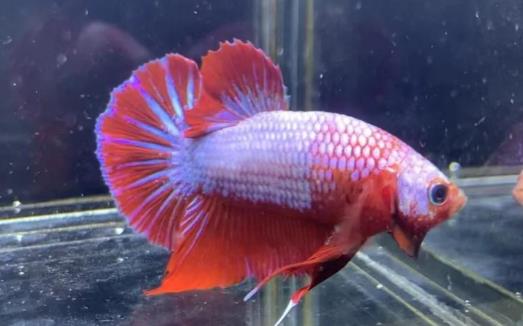
I. Variety Differences: Hardiness of Different Betta Fish Types
Chinese Betta Fish (Paradise Fish: Macropodus opercularis, Macropodus chinensis)
Native Habitat: Distributed in still or slow-flowing waters such as rice fields and ditches in southern China; highly adaptable to low-oxygen and turbid water conditions.
Hardiness Performance:
Low-Oxygen Tolerance: Possesses a labyrinth organ that allows direct breathing of atmospheric oxygen. It can survive for hours to days in hypoxic environments (e.g., dissolved oxygen in water below 1mg/L).
Pollution Tolerance: Has a certain tolerance to water pH (6.0-8.0), hardness (GH 4-18°dH), and pollutants like ammonia and nitrite. However, long-term exposure to poor water quality will shorten its lifespan.
Temperature Tolerance Range: Adapts to a wide temperature range (10-35°C), but the optimal growth temperature is 24-28°C. Activity decreases under extreme temperatures (e.g., below 15°C or above 32°C).
Thai Betta Fish (Fighter Betta, Halfmoon Betta, etc.)
Native Habitat: Originates from tropical rice fields and swamps in Thailand, Malaysia, and other regions; has slightly higher water quality requirements than Chinese betta fish.
Hardiness Performance:
Low-Oxygen Tolerance: Also equipped with a labyrinth organ, but relies more frequently on air breathing. It needs to surface frequently for gas exchange when water quality deteriorates.
Water Quality Sensitivity: More sensitive to ammonia and nitrite; requires more frequent water changes (it is recommended to change 1/3 of the water weekly) to maintain clean water quality.
Temperature Tolerance Range: The optimal temperature is 24-28°C. Temperature fluctuations exceeding ±3°C can easily trigger stress responses (such as fin clamping and refusal to eat).
II. Rearing Environment: Key Factors Affecting Hardiness
Water Quality Management
Cleanliness: Regular water changes (1-2 times a week, 1/3 to 1/2 of the water each time) can significantly reduce the risk of diseases. If water is not changed for a long time, the accumulation of ammonia and nitrite will cause betta fish poisoning (characterized by dark body color and gill rot).
pH Level: Chinese betta fish adapt to a pH range of 6.0-8.0, while Thai betta fish prefer a pH range of 6.5-7.5. Deviating from the suitable range may affect metabolism and immune function.
Hardness: Soft water (GH < 8°dH) is more conducive to betta fish color development and reproduction. Hard water needs to be adjusted using water softening resin or rainwater.
Temperature Control
Stability First: A daily temperature fluctuation of more than 2°C can easily cause "cold" (characterized by surfacing and staying at the bottom of the tank). A heater is required to maintain stable temperature.
Coping with Extreme Temperatures: When the water temperature is below 15°C in winter, it is necessary to heat it to above 20°C; when the water temperature exceeds 30°C in summer, cooling measures such as using a fan, ice packs, or increasing the frequency of water changes should be taken.
Space and Decoration
Solitary Housing Preferred: Male betta fish have a strong sense of territory, and mixed housing can easily lead to fighting and injury. It is recommended to keep them alone or with small, gentle fish (such as guppies and tetras).
Hiding Spots: Providing aquatic plants, driftwood, or special hiding holes can reduce stress responses (such as fin clamping and refusal to eat).
Tank Size: For solitary housing, a 5-10 liter tank is recommended. Avoid small round tanks (which can easily cause distorted vision and increased stress).
III. Management Methods: Tips to Improve Hardiness
Scientific Feeding
Food Selection: Mainly use specialized betta fish feed, supplemented with live bait (such as brine shrimp and bloodworms) or freeze-dried feed. Avoid feeding mealworms (their exoskeletons are difficult to digest).
Feeding Frequency: Feed juvenile fish 2-3 times a day, and adult fish once a day or every other day. The amount of each feeding should be consumed within 5 minutes to avoid overfeeding, which may lead to obesity or water quality deterioration.
Disease Prevention
Quarantine for New Fish: Newly introduced betta fish need to be quarantined and observed for 1-2 weeks. Only after confirming that they are free from infectious diseases such as ich and fin rot can they be mixed with other fish.
Regular Inspection: Observe the betta fish’s body surface (for white spots and fin rot), gills (for redness), and activity status (for staying at the bottom or surfacing). Detect abnormalities and take measures in a timely manner.
Emergency Treatment: If the betta fish surfaces due to poor water quality, immediately change 1/2 of the water and increase oxygen supply; if it suffers from ich, raise the water temperature to 30°C and add salt (0.5 grams of sea salt per liter of water) for treatment.
Breeding Care
Breeding Environment: Provide floating aquatic plants or bubble nest substrates, maintain a water temperature of 26-28°C, and use slightly soft water (GH < 6°dH).
Fry Care: Start feeding brine shrimp nauplii 3 days after hatching. Change 1/5 of the water daily to keep the water clean and prevent fry death due to competition for food or poor water quality.
IV. Individual Differences: Natural Variables in Hardiness
Genetic Factors: Some betta fish varieties (such as the "Plakat" strain in Thai betta fish) have weaker physiques due to long-term selective breeding and are more sensitive to environmental changes.
Age Impact: Juvenile and elderly betta fish have lower hardiness than adult fish. Juvenile fish have underdeveloped immune systems, and elderly fish have slowed metabolism, both of which are prone to illness.
Personality Differences: Some betta fish have a gentle personality and adapt quickly to new environments; others are highly aggressive and prone to injury from fighting or death due to stress.