
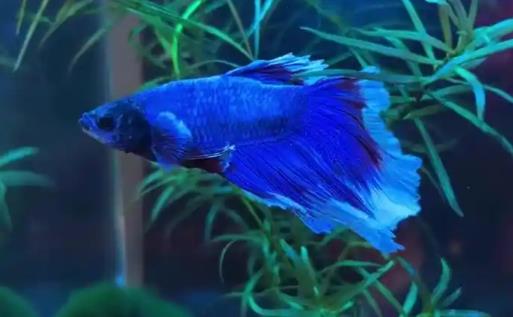
Betta splendens, a popular tropical ornamental fish, requires an ideal aquarium temperature determined by its natural habitat, physiological needs, and health management. Below are the key points:
1. Ideal Temperature Range
Core range: 24°C~28°C (75°F~82°F)
This is the most suitable temperature for bettas, supporting normal metabolism, immune function, and reproductive behavior.
Recommended range: 25°C~27°C (77°F~80°F)
Within this range, bettas exhibit high activity, strong appetite, and a lower risk of illness.
2. Impact of Temperature Fluctuations
Short-term fluctuations: Brief changes within 24°C~28°C (e.g., daily temperature difference ≤2°C) are generally tolerable, but frequent or drastic shifts should be avoided.
Long-term deviations:
Below 24°C (75°F): Slowed metabolism, weakened immunity, and increased susceptibility to diseases like water mold and ich.
Above 28°C (82°F): Enhance oxygenation (high temperatures reduce dissolved oxygen), as prolonged heat may shorten lifespan.
3. Seasonal and Regional Adjustments
Summer: If room temperature approaches or exceeds 28°C (82°F), cool the water with fans, ice packs, or small chillers to prevent overheating.
Winter: Use a heater to maintain temperature, especially in northern regions—ensure reliable heating equipment to avoid sudden drops from power outages.
Tropical regions: If room temperature stays consistently ideal (25°C~27°C/77°F~80°F), reduce heater use but monitor temperature stability.
4. Temperature Management for Special Scenarios
Breeding period: Raise the temperature to 26°C~28°C (79°F~82°F) to boost parent fish activity and fertilized egg hatching.
Disease treatment: For ich, gradually increase the temperature to 30°C (86°F) (no more than 2°C/3.6°F per day) alongside medication.
Transportation/new fish acclimation: Adjust the aquarium temperature to match the original environment (usually 25°C~26°C/77°F~79°F) in advance to reduce stress.
5. Temperature Control Tools and Precautions
Heater: Choose a reliable, thermostatically controlled model. Calculate power based on tank size (1~2 watts per liter of water).
Thermometer: Use an accurate liquid or digital thermometer and check the temperature daily.
Avoid local overheating: Fully submerge the heater and keep it away from direct water flow to prevent temperature imbalance.
Emergency plan: Prepare a backup heater or insulation materials (e.g., foam boxes) in case the main equipment fails.
6. Related Water Quality Parameters
Dissolved oxygen: High temperatures lower oxygen levels—supplement with air pumps or increased water surface agitation.
Ammonia/nitrite: Higher temperatures accelerate nitrifying bacteria metabolism. Test water regularly to avoid toxin buildup.
Summary Recommendations
Daily care: Maintain 25°C~27°C (77°F~80°F) with a heater and thermometer for a stable environment.
Seasonal adjustments: Adjust heating equipment based on room temperature changes to avoid extreme temperatures.
Health monitoring: If a betta shows reduced appetite, gasping, or skin abnormalities, first check if the temperature is appropriate.
Precise temperature control significantly enhances bettas’ vitality and lifespan while reducing disease risks.